
Equipment financing is often a long-term commitment, but that doesn’t mean the original financing structure will always be the best fit for your business.
Interest rates change, cash flow shifts, and new opportunities can arise as your business develops. Sometimes a financing agreement that made plenty of sense two or three years ago just no longer fits the way your business operates today.
That’s where equipment refinancing can come in. But it isn’t automatically the right move.
At Team Financial Group, we believe financing decisions should be based on what helps your business move forward. Here’s what to consider when deciding whether refinancing your equipment is worth it.
What Is Equipment Refinancing?
Equipment refinancing generally involves taking out new financing to pay off an existing equipment loan or other obligation.
For example, suppose your business financed a piece of manufacturing equipment several years ago. You still owe money on that financing, but your financial needs have changed. You might refinance the remaining balance into a new agreement with a different term or payment structure.
Depending on the situation, refinancing may help you:
- Lower monthly payments
- Improve short-term cash flow
- Adjust the length of your repayment term
- Consolidate certain obligations
- Replace less favorable financing terms
- Free up capital for other business needs
The important question is whether equipment refinancing meaningfully improves your overall financial position.
When Equipment Refinancing Might Make Sense
There are several situations where refinancing can be a valuable financial tool.
1. Your Monthly Payments Are Putting Pressure on Cash Flow
Cash flow needs can change significantly over the life of a loan.
Maybe your business took on financing during a strong growth period, but your industry is now experiencing a seasonal slowdown. Or perhaps you’re investing more heavily in hiring, inventory, marketing, or expansion and want additional breathing room.
Refinancing may allow you to restructure the remaining balance over a different term and potentially reduce your monthly payment. That doesn’t necessarily reduce the total amount you’ll pay over time, but improved monthly cash flow can be valuable if it helps your company maintain flexibility and continue investing in growth.
RELATED: How Construction Equipment Financing Can Improve Seasonal Cash Flow Management
2. Your Business Is Stronger Than It Was When You First Financed the Equipment
If you originally financed equipment when your company was newer, had less revenue, or had a thinner credit profile, your original financing terms may reflect those circumstances.
Several years later, you may have stronger business credit, greater revenue, and a stronger repayment history, among other strengths. They may make it worthwhile to explore whether a new financing structure is available that better reflects your current financial position.
3. Your Existing Financing Has Terms That No Longer Work for You
Sometimes the issue is an agreement that has become inconvenient as your business changes. For example, you may want:
- A longer or shorter repayment term
- More predictable payments
- A financing structure better suited to seasonal revenue
- A simpler payment arrangement
Refinancing can provide an opportunity to reassess how the debt fits into your broader financial strategy.
4. You Want to Preserve More Working Capital
Working capital is what keeps your business moving from day to day. If too much cash is going toward equipment debt, refinancing may help free up money for priorities including payroll, material marketing, hiring, and expansion.
The goal here isn’t necessarily to eliminate your debt entirely. However, your debt structure shouldn’t prevent you from pursuing profitable opportunities if you can help it.
5. You Have Equity in Valuable Equipment
In some situations, businesses own equipment that has significant value compared with what they still owe. That equity may create additional financing possibilities.
Depending on the structure and lender, businesses may be able to use equipment value as part of a refinancing strategy to improve liquidity or support other business investments. This can be especially useful for equipment-intensive companies that have valuable assets but would prefer not to tie up all of their financial resources in those assets.
When Might Refinancing NOT Make Sense?
Refinancing can be useful, but it isn’t free and it doesn’t automatically create savings.
Before making a decision, consider the potential downsides:
1. You’re Close to Paying Off the Existing Financing
If you only have a few payments remaining, refinancing may create more complexity than value. Starting a new financing agreement could extend your obligation well beyond the original payoff date and potentially increase your total financing costs.
In this type of situation, it may be better to finish paying off the existing agreement and reassess your financing needs afterward.
2. Refinancing Extends the Term Too Far
Lower monthly payments can be attractive, but always consider the bigger picture.
Suppose you have three years remaining on your current equipment financing and refinance the balance into a five-year term. Your monthly payment may decrease, but you could end up paying financing costs for two additional years.
That doesn’t automatically make refinancing a bad decision. Improving your cash flow could be worth the additional time and cost. But any sort of tradeoff like this should be thought through and intentional.
Ask yourself what your business will gain from the lower monthly payment and whether that benefit outweighs the added long-term cost.
RELATED: What Happens When an Equipment Finance Lease Expires?
3. Fees and Payoff Costs Offset the Savings
Before refinancing, review your existing financing agreement for:
- Prepayment penalties
- Early payoff charges
- Administrative fees
- Documentation fees
- Other closing costs
Then compare those costs with the potential benefit of the new financing. A lower payment isn’t necessarily a better deal if the cost of getting there is too high.
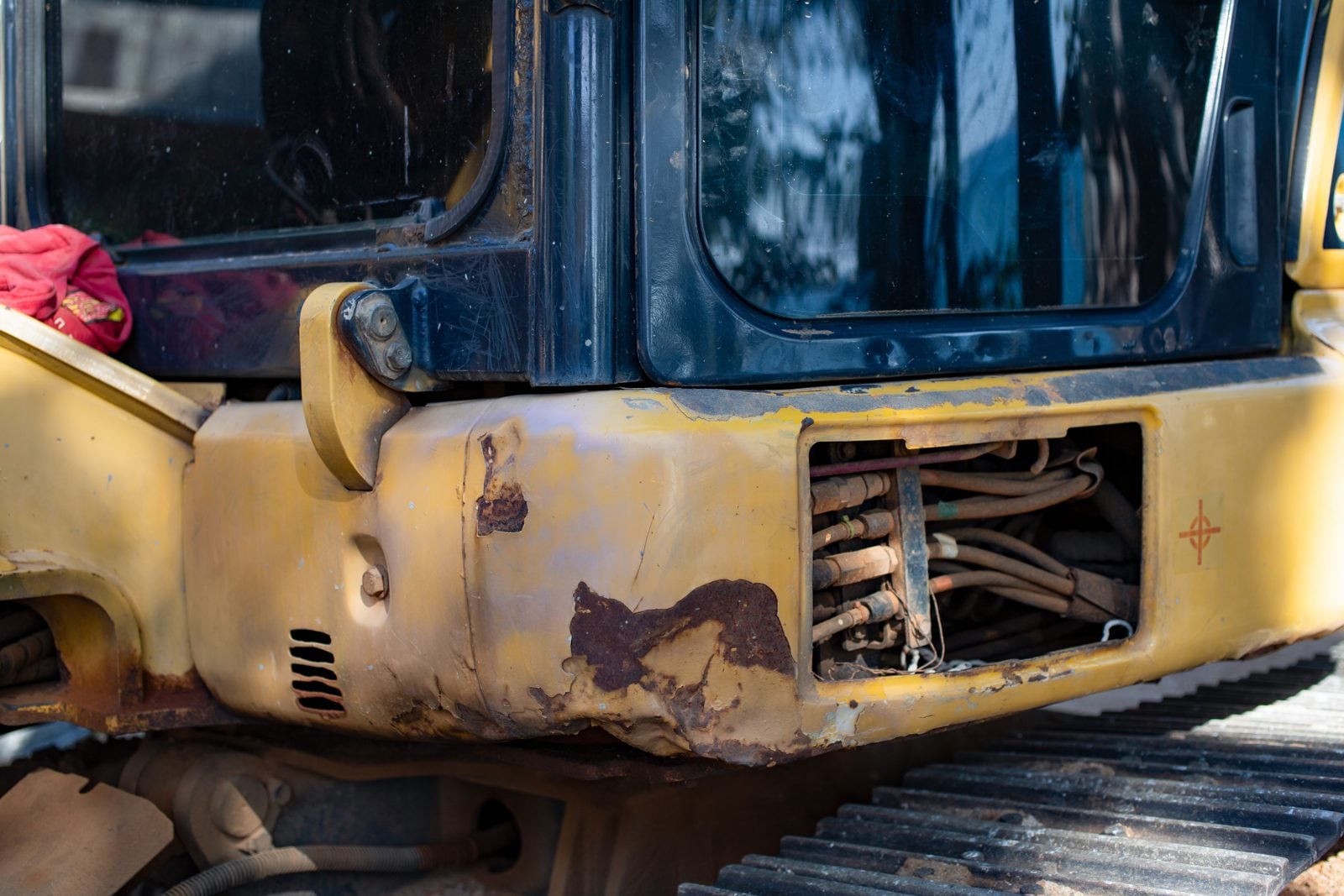
4. The Equipment Is Near the End of Its Useful Life
Refinancing an aging piece of equipment deserves special consideration.
If a machine is likely to require replacement soon, extending debt on that asset could leave you making payments on equipment that is no longer productive or reliable. In that situation, of course, replacing the equipment might be the stronger long-term decision.
Think beyond whether the equipment still operates today. Consider repair costs, downtime, productivity, resale value, and how long you realistically expect to keep using it.
RELATED: The Hidden Costs of Delaying Critical Equipment Upgrades
5. Your Current Financing Is Already Competitive
Sometimes the best move is no move at all.
If your existing financing has reasonable payments, favorable terms, and a manageable remaining balance, refinancing simply for the sake of refinancing may not provide much value.
What Are Alternatives to Equipment Refinancing?
If refinancing isn’t the right fit, you may still have other ways to improve your financial flexibility.
Finance New Equipment Instead of Using Cash
If your concern is preserving working capital for an upcoming purchase, you may not need to refinance existing equipment. Financing the next purchase instead of paying cash could provide the flexibility you need without changing your current obligations.
Consider a Sale-Leaseback
If your company owns equipment outright, a sale-leaseback may be another way to access capital.
With a sale-leaseback, the business sells equipment to a financing company and then leases it back, allowing operations to continue while freeing up cash that was previously tied up in the asset.
Adjust Your Equipment Upgrade Strategy
Sometimes the best solution is replacing an inefficient asset rather than refinancing it. Newer equipment may reduce your repair costs, downtime, labor, and energy consumption, which can all add up in certain situations.
If an aging asset is becoming expensive to maintain, financing an upgrade could provide a stronger return than extending financing on older equipment.
Reevaluate Your Overall Financing Plan
Individual financing decisions shouldn’t happen in isolation.
If your business has multiple equipment purchases coming up, seasonal revenue changes, or expansion plans, it may be more useful to develop a broader financing strategy instead of simply refinancing one existing obligation.
Look at the Total Business Impact
When evaluating refinancing, consider:
- The remaining balance on your current financing
- Current payoff requirements
- New financing costs
- The length of the new term
- The equipment’s remaining useful life
- Your current and projected cash flow
- Your plans for replacing the equipment
- What your business could accomplish with improved liquidity
For some businesses, paying slightly more over the long term in exchange for greater financial flexibility may make sense. For others, paying off the existing financing as quickly as possible may be the better strategy.
The right answer for you depends on what your business needs next.
RELATED: How to Create an Equipment Budget Built for Long-term Growth

Team Financial Group Can Help You Evaluate Your Options
Any consideration of refinancing should begin with a conversation about what you’re trying to accomplish.
At Team Financial Group, we take the time to understand your business, your existing obligations, your equipment, and your goals. If refinancing makes sense, we can explore financing structures designed to support your cash flow and long-term plans.
And if refinancing isn’t the best option, we can discuss other possibilities including financing new equipment, structuring future purchases differently, or considering other equipment financing solutions.
As an independent equipment financing company, Team Financial Group can often take a more flexible, personalized approach than traditional lending institutions. Instead of relying solely on a rigid formula, we work to understand the broader financial picture and find solutions that make sense for the individual business.
Make Refinancing Part of a Bigger Strategy
The best equipment financing strategy isn’t necessarily the one with the lowest monthly payment or the shortest term. It’s the one that supports your business goals while maintaining the financial flexibility you need to operate and grow.
Equipment refinancing can be a powerful tool when it improves cash flow, better aligns payments with your business, or replaces financing that no longer makes sense. But there are also times when keeping your existing financing, replacing aging equipment, or choosing another strategy is the smarter decision.
If you’re considering refinancing equipment and aren’t sure which direction to take, talk with Team Financial Group. We can help you evaluate the options and build a financing strategy around where your business is today and where you want it to go next.