
While nearly every business recognizes the value of keeping technology current, many postpone upgrades because of the cost. Large technology purchases can place pressure on cash flow, making it tempting to stretch the life of aging equipment for another year (or several).
Unfortunately, delaying technology investments often creates problems of its own. Older equipment becomes slower, more expensive to maintain, less secure, and increasingly incompatible with newer software. Productivity suffers, downtime becomes more common, and employees spend more time working around outdated systems than doing the work they need to do.
Businesses can feel caught between the rock of necessity and the hard place of executability. But the good news is that technology upgrades don’t have to disrupt your operations or your budget. With a thoughtful financing strategy, your business can stay current while maintaining healthy cash flow and minimizing operational interruptions.
At Team Financial Group, we help businesses develop financing solutions that make technology upgrades predictable, manageable, and aligned with long-term business goals.
How Do Technology Upgrades Differ from Other Capital Investments?
Unlike heavy machinery or commercial vehicles that may remain productive for decades, technology evolves quickly.
Computer hardware, networking equipment, software platforms, medical devices, and manufacturing automation all have relatively short innovation cycles. Today’s cutting-edge equipment may become outdated within just a few years. Waiting until equipment completely fails often means your business has already been operating at a disadvantage.
Older technology can create challenges such as:
- Slower employee productivity
- Increased maintenance costs
- Greater cybersecurity risks
- Compatibility issues with modern software
- More frequent downtime
- Reduced customer experience
- Higher IT support costs
Instead of viewing technology as a one-time purchase, successful businesses increasingly think of it as an ongoing investment that requires regular planning and periodic refreshes.
The Hidden Costs of Delaying Technology Upgrades
Many businesses focus primarily on the purchase price of new technology. However, the hidden costs of waiting are often much greater than expected.
Increased Downtime
Older equipment is more likely to fail unexpectedly. And those outages often don’t just interrupt one employee. They may halt entire departments, delay customer orders, or postpone critical projects.
Planned upgrades are almost always less disruptive than emergency replacements.
Rising Maintenance Costs
Repair expenses often increase as technology changes. Replacement parts become more difficult to find. Manufacturers discontinue support. Service contracts become more expensive.
Eventually, businesses might spend more maintaining old systems than they would financing new ones.
Security Risks
Cybersecurity is no longer just an IT issue. It’s one the whole business must be aware of.
Older hardware and unsupported software often stop receiving security updates, making them more vulnerable to cyberattacks, ransomware, and data breaches. Technology investments can help strengthen your organization’s security while reducing operational risk.
Missed Business Opportunities
Sometimes the greatest cost for your business isn’t what you’re spending, but what you’re unable to do. Outdated technology may prevent your business from:
- Taking on larger customers
- Automating repetitive processes
- Expanding production
- Offering new services
- Supporting remote employees
- Improving customer response times
Modern technology often creates opportunities that older systems simply cannot support.
RELATED: The Hidden Costs of Delaying Critical Equipment Upgrades
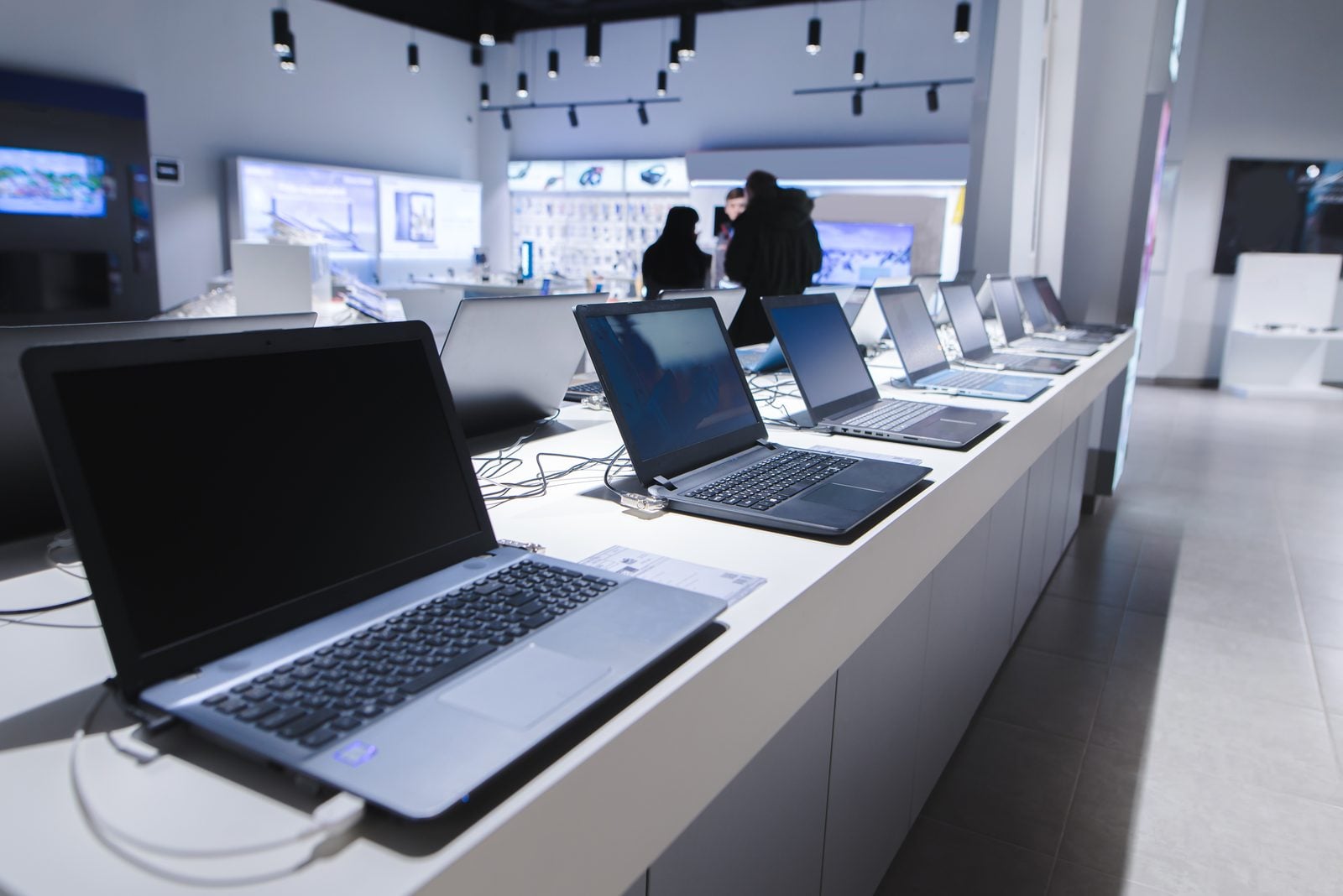
How to Build a Technology Refresh Strategy
Rather than waiting until systems fail, many organizations create formal technology refresh plans. Such plans help businesses budget for upgrades before equipment becomes a liability.
When considering your business’s strategy, you should:
Know Your Equipment Lifecycle
Different types of technology have different useful lives. For example:
- Desktop computers may be refreshed every 3–5 years
- Laptops may need replacement every 3–4 years
- Servers often operate on a 5–7 year lifecycle
- Networking equipment may require updates every 5 years
Specialized production equipment varies depending on usage and manufacturer recommendations.
All these timeframes largely depend on who you ask, the type of equipment you use, and how often you use it. But understanding these general timelines helps avoid surprise expenses.
RELATED: Building a Future-Proof Business with Smart Investments
Conduct Regular Technology Reviews
At least once each year, evaluate your technology inventory. Ask questions such as:
- Is this equipment slowing productivity?
- Is it still supported by the manufacturer?
- Are repairs becoming more frequent?
- Does it integrate with newer systems?
- Is it meeting current cybersecurity standards?
These reviews help identify upgrade opportunities before they become emergency necessities.
Prioritize Business Impact
Not every upgrade needs to happen immediately. With enough leeway and foresight, you can prioritize your upgrades over time.
Identify which systems have the greatest impact on daily operations. You might want to start with technology that directly affects production, customer service, data security, employee productivity, and sales.
This approach allows you to maximize the return on every technology investment.
How Financing Supports Technology Upgrades
Financing changes the conversation from “Can we afford this?” to “How can we make this fit our long-term strategy?”
Instead of making one large capital expenditure, financing spreads costs into predictable monthly payments. That provides several important advantages.
Preserve Working Capital
Technology isn’t the only investment your business needs to make. By financing equipment, you can preserve cash for payroll, inventory, expansion, and unexpected opportunities.
Healthy cash flow provides flexibility throughout the year.
Create Predictable Monthly Payments
One of the biggest advantages of financing is predictability. Rather than absorbing large, irregular technology purchases, businesses can budget consistent monthly payments.
Predictable payments make it easier to:
- Build annual budgets
- Forecast expenses
- Plan future upgrades
- Maintain financial stability
Instead of experiencing significant spikes in capital spending every few years, technology becomes a manageable operating expense.
Align Payments with Business Growth
New technology often begins generating value immediately as it improves efficiency and productivity.
Financing allows the cost of the equipment to be spread across the period in which your business is benefiting from its use. This creates a better alignment between investment and return.
RELATED: Creating a Tech-Driven Business Model with Smart Technology Equipment Financing
Take Advantage of Technology Refresh Cycles
Perhaps the greatest benefit of financing technology is the ability to stay current. Rather than holding onto aging equipment long after it should be replaced, businesses can establish planned refresh cycles.
Refresh cycles allow organizations to:
- Replace aging technology before failures occur
- Standardize equipment across departments
- Improve employee productivity
- Maintain software compatibility
- Strengthen cybersecurity
- Reduce repair costs
Instead of reacting to technology problems, you’re proactively planning for continuous improvement.
Many businesses find that a scheduled refresh strategy actually lowers total technology costs over time because it reduces emergency repairs, unexpected downtime, and productivity losses.
Technology Financing Across Industries
Technology investments look different depending on your industry.
Construction companies may finance GPS systems, estimating software, or drones.
Manufacturers may upgrade automation equipment, robotics, or CNC controls.
Medical practices may invest in diagnostic equipment or imaging technology.
Transportation companies often replace fleet management systems and dispatch software.
Professional service firms may modernize workstations, servers, cloud infrastructure, or cybersecurity systems.
Regardless of your industry, the goal remains the same: keeping technology aligned with your business objectives while maintaining healthy cash flow.

How Team Financial Group Helps Businesses Upgrade Technology
At Team Financial Group, we understand that technology investments are about much more than purchasing new equipment. They’re about helping businesses become more productive, competitive, and prepared for the future.
That’s why we work closely with business owners to build financing strategies that support long-term growth. Our approach includes:
Flexible Financing Solutions
Every business has different technology needs. We help structure financing around your goals, budget, and operational requirements.
Fast Decisions
Technology opportunities often move quickly. Our streamlined approval process helps businesses move forward without unnecessary delays.
Customized Payment Structures
Rather than forcing every customer into the same financing model, we work to create payment schedules that align with your business’s financial situation.
A Long-Term Partnership
Technology will continue to evolve, and your financing strategy should evolve with it. We aim to build lasting relationships with our clients, helping them plan not only today’s purchase but tomorrow’s upgrades as well.
Keep Your Technology and Business Moving Forward
Technology should help your business operate more efficiently, not hold it back.
Waiting until equipment becomes unreliable often results in higher repair costs, lower productivity, frustrated employees, and missed opportunities. By creating a technology refresh strategy and financing upgrades with predictable monthly payments, your business can stay current without disrupting day-to-day operations or straining cash flow.
At Team Financial Group, we’re committed to helping businesses invest in the technology they need through flexible financing solutions that support growth. Whether you’re planning a company-wide technology refresh or replacing a single critical system, our team is ready to help you develop a financing strategy that works for today and positions your business for tomorrow.
Contact us today and let’s schedule a time to discuss your technology equipment financing plans.